

Product Description
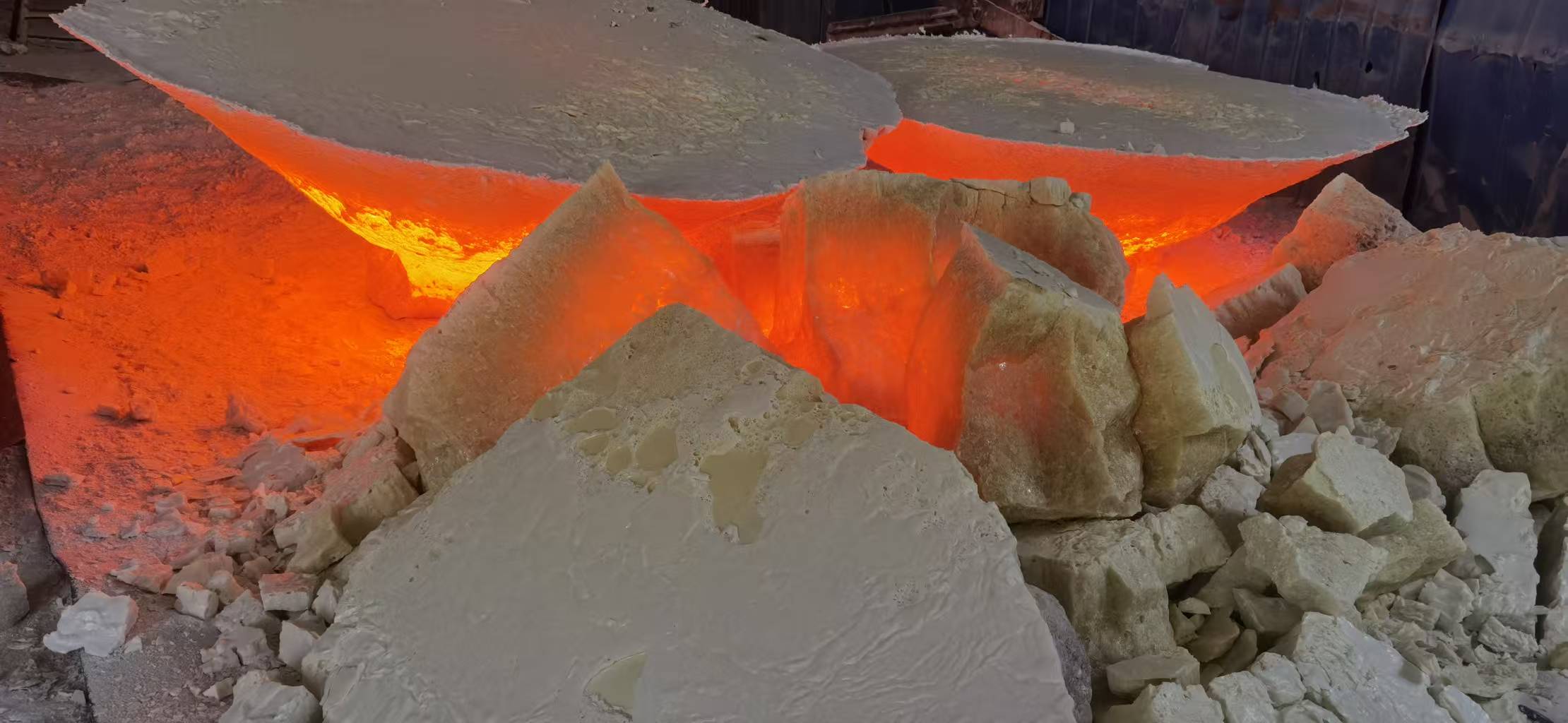
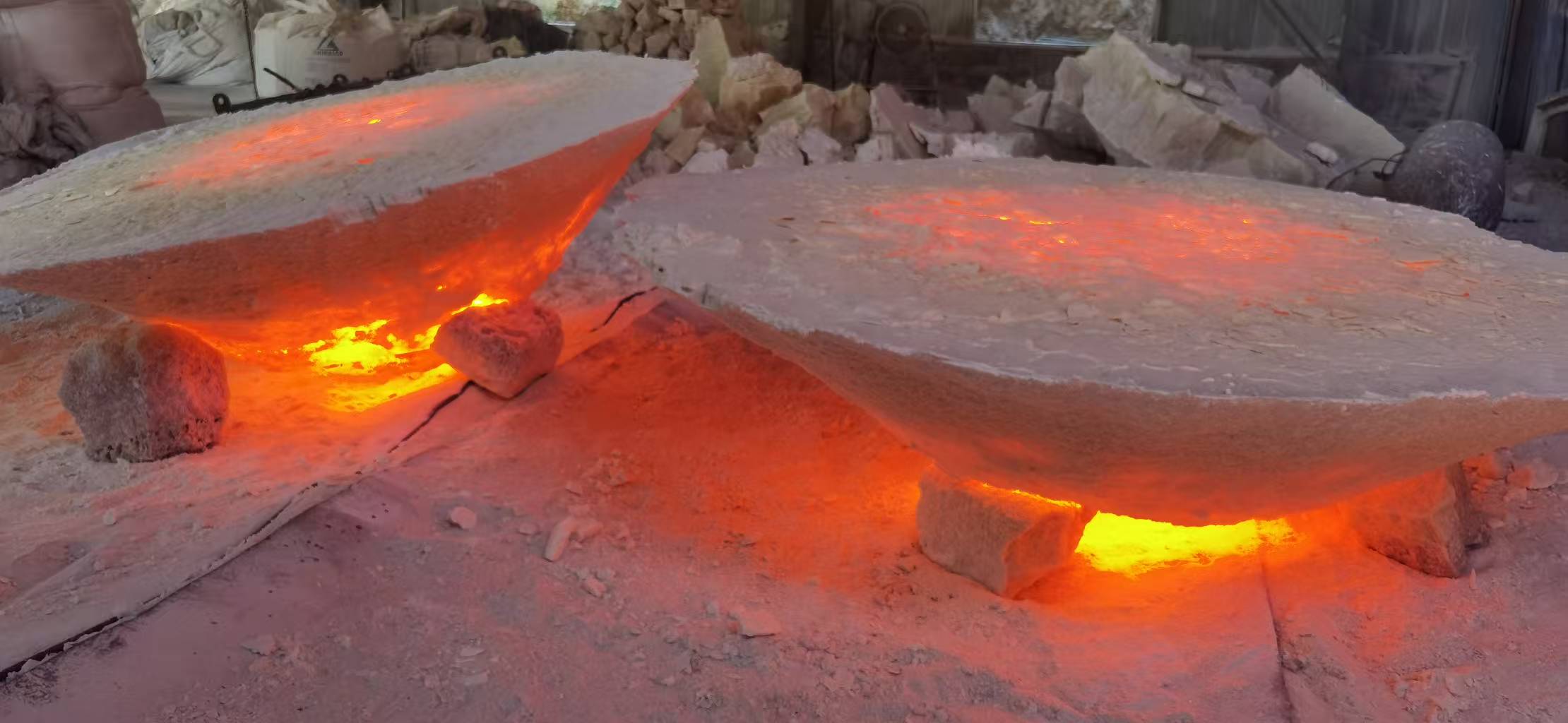
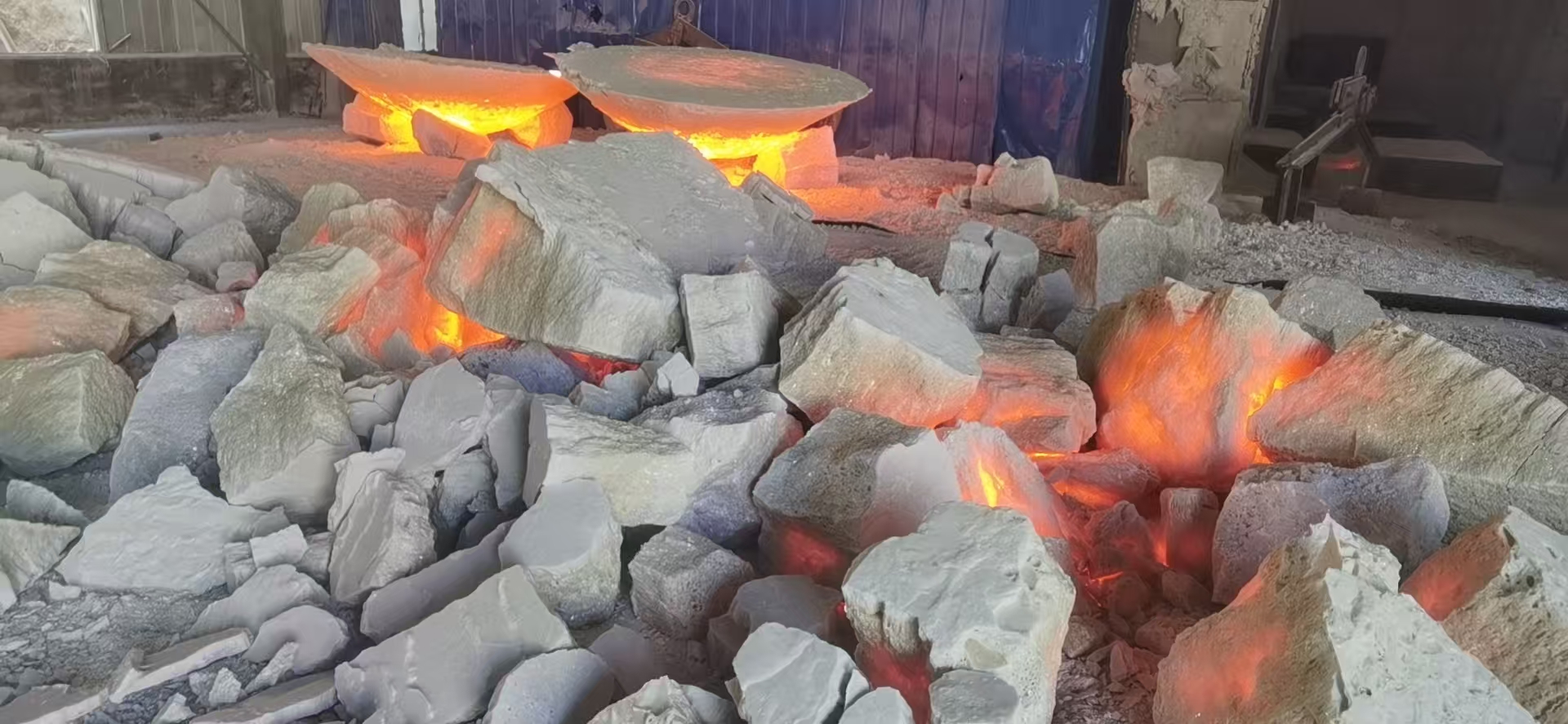
Fused Spinel is produced by melting industrial-grade alumina powder and high-quality lightly calcined magnesia in a large tilting electric arc furnace at high temperature.
The product features pure color, low impurity content, well-developed crystals, uniform structure, high bulk density, strong corrosion resistance, and excellent thermal shock stability.
Product Features & Applications
1. AM-65 High-Magnesia Spinel
- Contains no free alumina; when added to magnesia bricks, no further spinel formation or volume expansion occurs.
- Improves thermal shock resistance of magnesia bricks used in cement rotary kilns (burning and transition zones).
- Can effectively replace chrome ore in magnesia-chrome brick formulations.
2. AM-70 Standard Spinel
- When MgO and Al₂O₃ contents are near the theoretical stoichiometric ratio, the spinel lattice shows repelling effects against Ca²⁺ and Si⁴⁺ ions, enhancing clinker corrosion resistance.
- Widely used in magnesia bricks for cement kilns and in monolithic refractories such as: Al₂O₃-MgO castables, Al₂O₃-MgO·Al₂O₃-SiC-C iron runner castables, Alumina-magnesia coatings, and Cement kiln linings.
3. AM-85 and AM-90 High-Alumina Spinels
- Composed of a solid solution between spinel (MA phase) and α-Al₂O₃.
- The formation of this solid solution introduces ionic vacancies, allowing the absorption of Fe²⁺ ions and enhancing slag corrosion resistance of MA.
- Typical applications include: Ladle linings, Impact pads, Porous plugs and seating bricks, Nozzles, slag dams, tundish parts, and sliding plates.
Adding fused spinel significantly improves the hot strength, thermal shock resistance, and slag corrosion resistance of alumina-based refractories, enhancing service life and cost efficiency of furnace linings.
Applications Overview
- Magnesia bricks for cement rotary kilns and transition zones
- Ladle linings, tundish, and nozzle refractories
- Unshaped refractories (castables, gunning mixes, coatings)
- High-temperature corrosion- and thermal shock–resistant components
Technical Specifications
Chemical Composition & Physical Properties
| Grade | AM-65 | AM-70 | AM-85 | AM-90 |
|---|---|---|---|---|
| Chemical Composition (%) | ||||
| Al₂O₃ | 63–68 (Typical: 65.7) |
71–76 (Typical: 74.12) |
82–87 (Typical: 83.76) |
88–92 (Typical: 88.12) |
| MgO | 30–35 (Typical: 32.8) |
22–27 (Typical: 24.66) |
12–17 (Typical: 15.57) |
8–12 (Typical: 10.24) |
| CaO | ≤0.70 (Typical: 0.52) |
≤0.55 (Typical: 0.39) |
≤0.50 (Typical: 0.16) |
≤0.30 (Typical: 0.14) |
| SiO₂ | ≤0.50 (Typical: 0.36) |
≤0.40 (Typical: 0.29) |
≤0.35 (Typical: 0.19) |
≤0.25 (Typical: 0.16) |
| Fe₂O₃ | ≤0.40 (Typical: 0.30) |
≤0.35 (Typical: 0.19) |
≤0.25 (Typical: 0.13) |
≤0.20 (Typical: 0.14) |
| Bulk Density (g/cm³) | ≥3.30 (Typical: 3.36) |
≥3.20 (Typical: 3.26) |
≥3.20 (Typical: 3.30) |
≥3.30 (Typical: 3.40) |
Key Advantages
- High purity and uniform structure
- High bulk density and mechanical strength
- Excellent resistance to corrosion and thermal shock
- Stable performance under high-temperature service conditions
- Environmentally friendly alternative to chrome-containing materials
📦 Packaging
Standard: 25 kg woven plastic bags or 1000 kg jumbo bags
Optional: Customized packaging available per customer request